If you’re exploring ways to age spirits at home or want to experiment with unique flavors, small whiskey barrels might catch your interest. They offer a faster aging process and let you control nuances more closely than larger barrels. But they come with challenges you need to understand before diving in. Knowing their pros and cons will help you decide if they fit your goals—and how to get the best results.
What Are Small Whiskey Barrels and How They Work
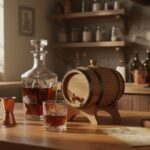
Although small whiskey barrels are less common than their larger counterparts, they play a crucial role in aging spirits quickly and efficiently.
You’ll find these barrels typically hold between 1 to 20 gallons, much smaller than standard 53-gallon barrels. Their reduced size increases the surface area of wood in contact with the liquid, speeding up the aging process.
When whiskey interacts with the oak, it absorbs flavors, tannins, and color faster in a small barrel. This means you don’t have to wait years to develop complexity.
The barrels are usually made from American or French oak, just like larger ones, ensuring quality flavor extraction.
Using small whiskey barrels lets you experiment with aging times and flavor profiles without committing to large batches.
Preparing and Maintaining Small Whiskey Barrels
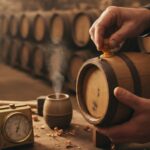
Before you start aging whiskey in a small barrel, you need to prepare it properly to ensure the best flavor development. First, rinse the barrel with warm water to remove dust and debris.
Then, fill it with hot water and let it sit for 24 hours to swell the wood, preventing leaks. Drain and inspect for any cracks or leaks before adding your spirit.
During aging, keep the barrel stored in a cool, stable environment away from direct sunlight to maintain consistent temperature and humidity. Regularly check the barrel for evaporation and top it off with whiskey to minimize oxidation.
Finally, clean the barrel thoroughly after each use by rinsing with warm water and allowing it to dry completely before storing or reusing.
Benefits and Limitations of Small Whiskey Barrels
While small whiskey barrels offer a faster aging process due to their higher surface-area-to-volume ratio, they also come with certain trade-offs.
You’ll benefit from quicker flavor development, making these barrels perfect for experimenting or producing limited batches without long wait times. They’re also easier to handle and store, fitting well in smaller spaces.
However, you need to watch the aging closely since the accelerated interaction between wood and spirit can lead to over-oaking or bitterness if left too long. Additionally, smaller barrels may not provide the same depth and complexity as larger casks, limiting the aging potential.
Understanding these benefits and limitations helps you decide when a small barrel suits your needs and when a traditional barrel might be better.
Which Spirits Work Best in Small Whiskey Barrels?
What spirits benefit most from small whiskey barrels?
Primarily, whiskey and bourbon thrive in these barrels due to the accelerated aging process, which enhances their complex flavors quickly.
You’ll also find that rum and tequila respond well, developing richer profiles without long wait times.
If you’re experimenting with brandy or even some craft gins, small barrels can impart subtle woody notes that deepen character.
However, lighter spirits like vodka mightn’t gain much from barrel aging, as their delicate profiles can get overwhelmed.
Ultimately, small barrels suit spirits that benefit from intensified oak contact and faster maturation, making them perfect for home distillers or enthusiasts eager to taste results sooner without sacrificing quality.
Tips for Getting the Most Flavor From Small Whiskey Barrels
Since small whiskey barrels accelerate the aging process, you’ll want to monitor your spirit closely to avoid over-oaking. Check the flavor every few days, especially in the first few weeks.
Store your barrel in a cool, stable environment to prevent temperature fluctuations that can negatively affect aging. Rotate the barrel occasionally to ensure even contact between the spirit and wood.
Keep the barrel topped off to minimize oxidation and evaporation, which can alter taste. Lastly, be patient but proactive—small barrels work fast, but rushing the process might result in harsh flavors.
Infusing and Blending Spirits in Small Whiskey Barrels
After mastering how to get the most flavor from small whiskey barrels, you can expand your experimentation by infusing and blending spirits directly in them.
Using these barrels allows you to create unique flavor profiles by aging different spirits together or adding botanicals, fruits, or spices inside. The oak imparts complexity while the small size speeds up the infusion process, letting you taste and adjust frequently.
When blending, pour multiple spirits into the barrel, seal it, and test periodically to find the perfect balance. Remember to keep the barrel stored in a consistent environment to avoid unwanted fluctuations.
This hands-on approach gives you control over flavor development, making your homemade blends truly one-of-a-kind and tailored to your preferences.
Where to Buy Quality Small Whiskey Barrels
Finding quality small whiskey barrels can make a big difference in your aging and infusion projects. You want barrels crafted from genuine oak, preferably American or French, to ensure authentic flavor development.
Start by checking specialized cooperage websites or trusted online retailers that focus on whiskey-making supplies. Local distilleries sometimes sell empty barrels, offering you a chance to buy barrels that have already been charred and used, which can add complexity to your spirits.
Don’t overlook hobbyist forums and communities; members often share recommendations or even sell barrels themselves. When purchasing, verify the barrel’s size, previous use, and condition to avoid leaks or off-flavors.
Frequently Asked Questions About Small Whiskey Barrels
When you’re new to using small whiskey barrels, questions about care, aging time, and flavor impact naturally arise. You might wonder how often to refill the barrel or if you need to sanitize it before use.
It’s important to rinse the barrel with hot water and avoid harsh chemicals to maintain flavor integrity. You’ll find that aging whiskey in small barrels speeds up the process due to a higher wood-to-liquid ratio, usually maturing in weeks rather than years.
Keep in mind, temperature and humidity also affect aging. If you’re curious about flavor, small barrels impart stronger oak notes but can risk over-oaking if left too long.
Regularly tasting your whiskey helps you decide the perfect aging time for your palate.
Conclusion
Small whiskey barrels offer you a fun, hands-on way to experiment with aging spirits quickly. While they speed up flavor development, you’ll need to watch them closely to avoid over-oaking. They’re perfect for small batches of whiskey, bourbon, rum, or tequila, letting you customize your spirit’s profile. Just remember, small barrels won’t replace the depth of larger ones but give you a creative edge in crafting unique, flavorful drinks.