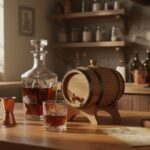
Choosing the right 10-liter barrel for aging whiskey at home isn’t just about size—it’s about the wood, the char, and the craftsmanship behind it. You want a barrel that complements your whiskey’s profile and fits your aging goals. But how do you balance these factors to get the flavor you’re aiming for? Understanding the details can make all the difference in your final pour.
What Wood Types Work Best for a 10-Liter Whiskey Barrel
Although oak is the traditional choice for whiskey barrels, you’ll find that different wood types can influence the flavor and aging process in unique ways.
When selecting a 10-liter barrel, you’ll most often see American white oak and European oak as top choices. American oak tends to impart sweet, vanilla, and caramel notes, while European oak adds spicier, tannic qualities.
You might also encounter chestnut barrels, which offer a lighter, nutty flavor profile but aren’t as common.
Keep in mind that smaller barrels like your 10-liter will age whiskey faster, so the wood’s characteristics become more pronounced.
Choosing the right wood depends on the flavor profile you want to achieve and how aggressively you want the whiskey to mature.
How Barrel Char Changes Your Whiskey’s Flavor
The type of wood you choose sets the foundation for your whiskey’s flavor, but how the barrel is charred can dramatically shape the final taste.
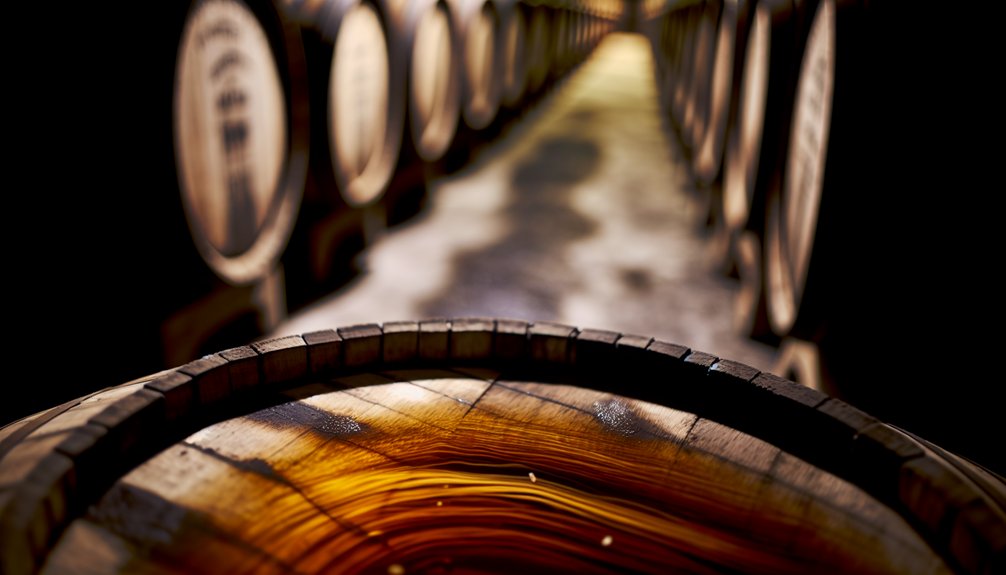
Char levels range from light to heavy, each influencing your whiskey differently. A light char gently caramelizes the wood’s sugars, lending subtle sweetness and vanilla notes. Medium char intensifies these flavors and adds smoky, toasted hints. Heavy char creates a thick layer of charcoal that filters out impurities and imparts bold smoky, spicy tones.
When selecting your 10-liter barrel, consider how much char suits your flavor goals. Remember, the smaller the barrel, the faster the char interacts with your whiskey, so even a medium char can produce pronounced effects in a shorter time.
Choose wisely to craft the profile you want.
How to Match Barrel Size and Aging Time for 10 Liters
When you work with a 10-liter barrel, you’ll find that aging times differ significantly from larger barrels because of the increased surface area contact between the wood and whiskey.
This means your whiskey matures faster, so you’ll need to monitor it closely to avoid over-aging. Typically, whiskey in a 10-liter barrel reaches desirable flavor profiles in about 3 to 6 months, compared to years in standard barrels.
To match barrel size with aging time effectively, taste your whiskey regularly and keep detailed notes. Adjust your timeline based on flavor development rather than strict schedules.
What Barrel Craftsmanship Means for Your 10-Liter Whiskey Barrel
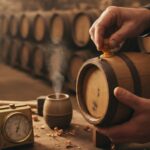
Craftsmanship shapes how your 10-liter whiskey barrel interacts with the spirit inside. When skilled coopers carefully select and toast oak staves, they influence the flavors your whiskey will develop.
Precision in assembling the barrel ensures a tight seal, preventing leaks while allowing the right amount of oxygen to enter. This balance is crucial for aging, as it controls oxidation and maturation rates.
Pay attention to the wood’s grain, toast level, and joint quality—each affects how your whiskey absorbs vanilla, caramel, and smoky notes.
A well-crafted barrel also guarantees durability and consistent aging results, so you can confidently experiment with aging times.
Ultimately, the artisan’s expertise behind your barrel plays a vital role in shaping the unique character of your home-aged whiskey.
Where to Find Quality 10-Liter Barrels for Home Use
Understanding the quality and details of barrel construction helps you make informed choices about where to buy your 10-liter whiskey barrel.
Start by exploring specialized cooperages that focus on small barrels for home aging. These sources often provide detailed information on wood type, char level, and craftsmanship, ensuring you get a barrel that meets your needs.
You can also check reputable online retailers specializing in whiskey aging equipment—they usually offer customer reviews and product specifications.
Local distilleries or brewing supply stores might carry small barrels or guide you to trusted suppliers.
Avoid cheap, mass-produced barrels, as they often lack the quality needed for proper aging.
Conclusion
Choosing the right 10-liter barrel for aging your whiskey at home comes down to wood type, char level, and craftsmanship. American white oak adds sweet, caramel notes, while European oak brings spicier flavors. Opt for medium to heavy char to deepen complexity, and always pick barrels from reputable sources to ensure quality. Remember, regularly tasting your whiskey helps you catch the perfect aging moment. With the right barrel, you’re set to craft a truly exceptional homemade whiskey.