
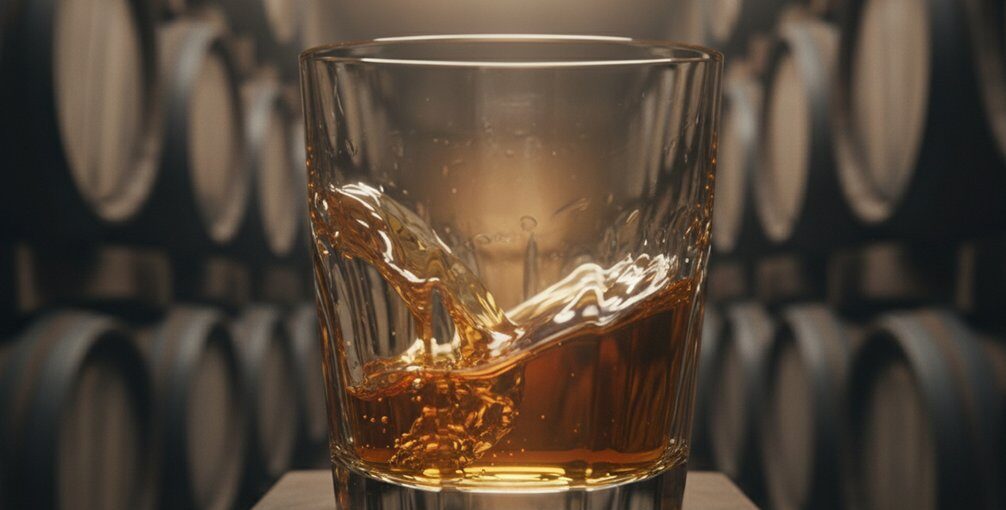
When you savor a well-aged whiskey, tannins play a subtle yet vital role in shaping its character. These compounds, extracted mainly from oak barrels, add layers of complexity that balance sweetness with astringency and bitterness. But not all tannins are created equal—factors like barrel type and aging conditions influence their impact, leaving you with a unique sensory experience. Understanding how tannins work can change the way you appreciate every sip.
Key Takeaways
- Tannins are natural polyphenols from oak barrels that add bitterness, astringency, and texture to whiskey during aging.
- Barrel type, size, and treatment (toasting/charring) influence the amount and character of tannins extracted into whiskey.
- Tannins balance sweetness and richness by providing astringency and enhancing the whiskey’s flavor complexity and mouthfeel.
- Chemical interactions between tannins, acids, sugars, and oxidation products soften harshness and deepen whiskey’s flavor profile.
- Different whiskey styles have varying tannin levels, shaped by barrel use and aging methods, affecting their unique taste characteristics.
What Are Tannins and Where Do They Come From in Whiskey Aging
Although you mightn’t notice them right away, tannins play a crucial role in shaping whiskey’s flavor and texture. These natural compounds come mainly from the wood during the aging process.
When whiskey rests in barrels, tannins slowly dissolve into the spirit, contributing bitterness, astringency, and complexity. You’ll find tannins are polyphenolic molecules that interact with your palate, affecting mouthfeel and balance.
While they add depth, too many tannins can make whiskey taste overly harsh or dry.
Besides wood, tannins can also originate from the grains and malt used, but their impact is minor compared to barrel influence.
Understanding where tannins come from helps you appreciate how whiskey develops its distinctive character during aging, even before considering the barrel’s specific role in extraction.
How Oak Barrels Influence Tannin Extraction
When whiskey ages in oak barrels, the wood actively releases tannins into the spirit, shaping its flavor and texture.
You’ll find that the type of oak—American, French, or Hungarian—affects how much tannin enters the whiskey, as each species contains different tannin levels. The barrel’s age also plays a role; new barrels tend to impart more tannins since the wood is less saturated.
Toasting and charring the barrel’s interior breaks down wood compounds, making tannins more accessible and altering their character. Additionally, the barrel’s size influences extraction speed—the smaller the barrel, the faster tannins leach into the whiskey.
How Tannins Shape Whiskey’s Flavor and Aroma
The oak barrels do more than just add tannins to whiskey—they shape its flavor and aroma in profound ways.
When tannins dissolve into whiskey, they bring astringency that balances sweetness and richness, preventing the spirit from tasting flat or overly sugary. You’ll notice subtle bitterness that adds complexity and depth, enhancing the overall sensory experience.
Tannins also contribute to the mouthfeel, giving whiskey a slightly dry, textured finish that lingers pleasantly.
On the aroma side, tannins help carry woody, spicy, and sometimes nutty notes, influencing how you perceive the whiskey’s bouquet.
How Tannins Interact With Other Compounds During Aging
As whiskey ages, tannins actively bond with other compounds in the spirit, transforming its flavor profile over time. You’ll notice tannins interacting with acids, sugars, and alcohols, creating complex chemical reactions.
These interactions soften the whiskey’s harshness and add layers of depth. For example, tannins bind with proteins and other phenolic compounds, reducing bitterness and enhancing smoothness.
They also react with oxidation products, which helps mellow the spirit and develop richer aromas. By engaging with sugars, tannins contribute to subtle sweetness and astringency balance.
Understanding these interactions helps you appreciate how aging crafts whiskey’s nuanced character, making each sip more harmonious and enjoyable without overwhelming your palate.
These chemical bonds continuously evolve, showing why aging is essential for developing whiskey’s unique taste.
How Tannin Levels Affect Different Whiskey Styles
Anyone exploring whiskey styles quickly finds that tannin levels play a crucial role in shaping each variety’s flavor and mouthfeel.
In Scotch whiskies, especially those aged in sherry casks, higher tannin content adds a dry, slightly bitter edge that balances sweetness.
Bourbon, on the other hand, typically features moderate tannins from new charred oak barrels, lending rich vanilla and caramel notes without overwhelming bitterness.
Irish whiskeys usually have lower tannin levels, resulting in a smoother, lighter profile that’s easy to sip.
When you taste rye whiskey, expect sharper tannins that complement its spicy, peppery character.
Understanding how tannin levels differ helps you appreciate the unique qualities each whiskey style offers, guiding your choices whether you prefer bold, tannic complexity or a gentler, mellow experience.
How to Taste and Appreciate Tannins in Whiskey
Recognizing how tannin levels shape different whiskey styles sets the stage for truly tasting and appreciating these compounds.
When you sip whiskey, focus first on its texture—tannins add a drying, slightly astringent feel on your palate. Notice how they balance sweetness and influence mouthfeel.
Take small sips and let the whiskey linger, allowing you to detect subtle bitterness or spice from tannins. Swirling the whiskey in your mouth helps release these flavors.
Savor small sips and swirl whiskey to reveal tannins’ subtle bitterness and spicy nuances.
Pair your tasting with foods like dark chocolate or nuts to highlight tannins’ complexity.
Remember, tannins aren’t harsh; they add depth and structure.