If you’re curious about how whiskey aging is evolving, hybrid barrels might catch your attention. These barrels mix different woods or styles, offering a fresh take on flavor and maturation compared to traditional oak. But while they promise unique notes and faster aging, they also bring challenges you might not expect. Understanding their impact could change how you appreciate your next glass—so let’s explore what makes hybrid barrels stand out.
Key Takeaways
- Hybrid whiskey barrels combine multiple wood types, creating unique aging environments and complex flavor profiles beyond traditional oak barrels.
- They allow greater control over oxidation and evaporation, enhancing aging pace and flavor development.
- Hybrid barrels offer innovative flavor notes like enhanced spice, fruitiness, and smokiness not typically found in standard oak aging.
- They can reduce aging time and storage costs but may introduce inconsistencies and higher sourcing expenses.
- While not a complete replacement, hybrid barrels complement traditional methods by expanding creative and sustainable aging options.
What Are Hybrid Whiskey Barrels and How Do They Affect Aging?
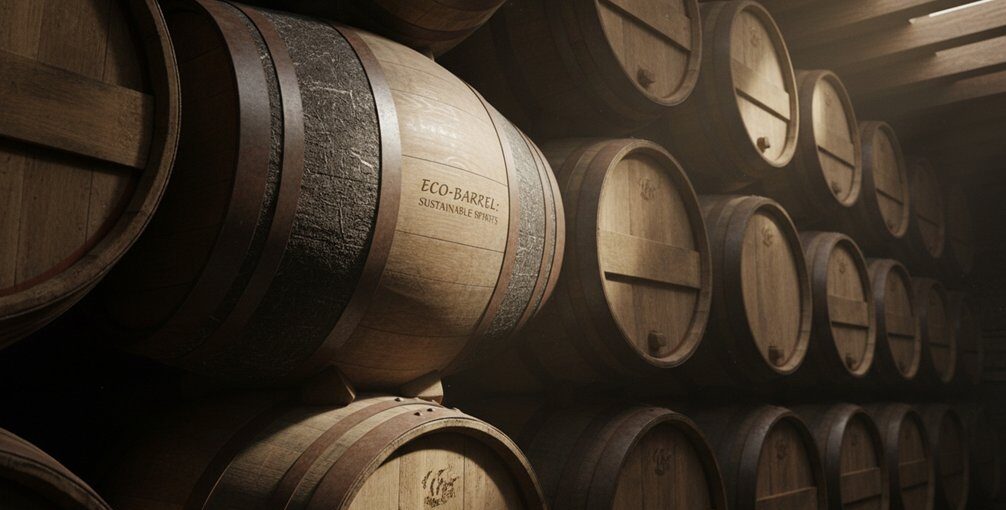
Hybrid whiskey barrels combine two or more types of wood or barrel styles to create unique aging environments. When you use these barrels, you’re introducing different flavor profiles and aging characteristics that traditional single-wood barrels can’t offer.
For example, a barrel may have oak staves paired with cherry wood, which impacts how the whiskey interacts with the wood’s natural compounds. This mix can speed up maturation or add complexity to the spirit’s taste. You’ll notice enhanced notes like spice, fruitiness, or smokiness, depending on the woods combined.
Hybrid barrels also influence the whiskey’s texture and color, giving you a distinct final product. By experimenting with these barrels, you’re pushing the boundaries of flavor and aging potential in whiskey production.
How Hybrid Barrels Compare to Traditional Oak
While traditional oak barrels have long been the standard for aging whiskey, exploring barrels made from multiple woods or styles can offer you a different experience.
Hybrid barrels combine the strengths of traditional oak with other woods or construction techniques, providing more versatility. Unlike purely oak barrels, hybrids may enhance oxygen exchange rates or structural integrity, impacting how the whiskey interacts with its container.
You’ll notice that hybrid barrels often allow for more experimentation in crafting spirits, as they can be tailored to specific aging goals.
While oak delivers familiar flavors and proven aging qualities, hybrid barrels open new doors without entirely abandoning tradition.
Choosing between the two depends on whether you want a classic profile or the potential benefits that hybrid barrels bring to your whiskey-making process.
How Hybrid Whiskey Barrels Change Flavor and Aging
Because these barrels blend different woods or construction methods, you’ll find that the flavors and aging process of your whiskey can develop in unique ways.
When you use hybrid barrels, the interaction between the spirit and the wood layers creates a more complex flavor profile. You might notice hints of vanilla, caramel, or spice evolving differently than in traditional oak barrels.
The aging pace can also vary, sometimes speeding up or slowing down depending on the wood combination. This means your whiskey can pick up subtle nuances you wouldn’t get otherwise.
Plus, the hybrid structure allows for better control over oxidation and evaporation, which affects maturation.
Benefits and Challenges of Hybrid Whiskey Barrels
Even though these barrels bring innovation to whiskey aging, you’ll face both advantages and hurdles when using hybrid whiskey barrels.
On the plus side, they let you experiment with unique flavor profiles by combining different woods, giving your whiskey complexity traditional barrels can’t match. They also often reduce aging time, saving you patience and storage costs.
However, you’ll need to carefully monitor the aging process since hybrid barrels can behave unpredictably, risking inconsistent results. Plus, sourcing quality hybrid barrels can be tricky and sometimes more expensive than standard oak.
Careful monitoring is essential as hybrid barrels can yield unpredictable results and may cost more than traditional oak.
You’ll also want to consider how these barrels interact with your existing production methods, as they may require adjustments to your process. Balancing these factors is key to unlocking hybrid barrels’ full potential.
Will Hybrid Whiskey Barrels Shape the Future?
As whiskey enthusiasts and producers look for ways to innovate, hybrid whiskey barrels are gaining attention for their potential to reshape the industry.
You’ll find that these barrels offer a unique combination of flavors and sustainability, appealing to a new generation of drinkers. By blending traditional oak with alternative woods or materials, hybrid barrels can create distinct profiles that stand out in a crowded market.
If you’re a distiller, using hybrid barrels means experimenting with aging techniques that might reduce costs and environmental impact while enhancing complexity.
While they won’t replace traditional barrels overnight, hybrid barrels could become a crucial tool in crafting future whiskeys.
Ultimately, if you want to stay ahead, embracing hybrid barrels might just shape the future of whiskey.