When you think about whiskey, the barrel’s toast level plays a bigger role than you might expect. It shapes the flavor, aroma, and even the color of your pour. Whether you prefer subtle wood notes or bold smoky hints, understanding how light, medium, and heavy toasts affect whiskey can change the way you appreciate each sip. But how exactly do these toast levels influence the final spirit? That’s where things get interesting.
Key Takeaways
- Whiskey barrel toast levels range from light to heavy, each affecting wood chemistry and whiskey maturation uniquely.
- Light toasting preserves natural wood compounds, while medium and heavy toasts create deeper flavor and aroma transformations.
- Toasting releases vanillin and caramelizes hemicellulose, contributing vanilla, sweetness, spice, and bold smoky notes.
- Increasing toast intensity deepens whiskey color and softens texture, producing smoother, richer mouthfeel with heavier toasts.
- Distillers control toast by adjusting heat, time, rotation, and wood conditions to tailor flavors for specific whiskey profiles.
Understanding Whiskey Barrel Toast Levels
When you explore whiskey barrel toast levels, you’ll find that the degree of toasting directly affects the flavor profile of the whiskey.
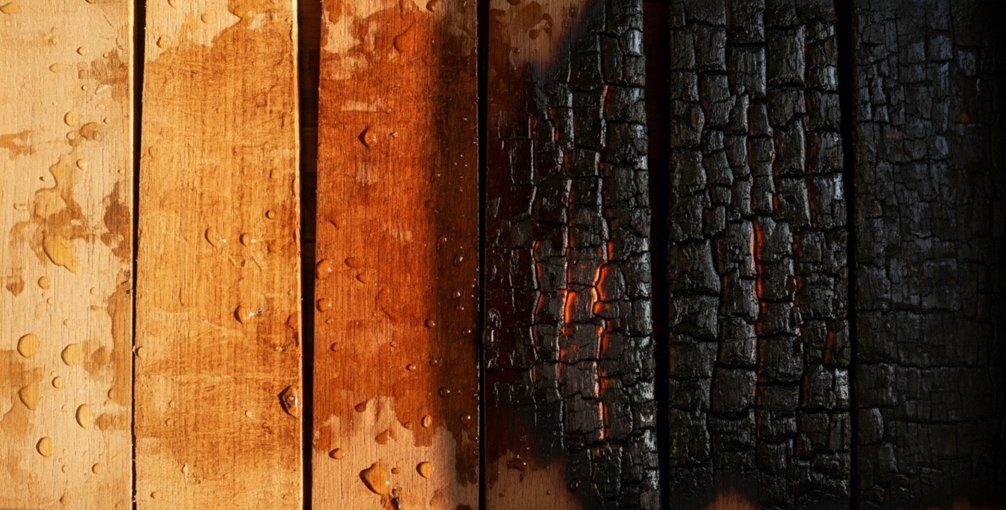
Toast levels refer to how much heat the inside of the barrel’s staves receive during production. These levels typically range from light to heavy toast.
Light toast means the wood is gently heated, preserving more of its natural compounds. Medium toast involves a longer, hotter exposure, altering the wood’s chemistry more significantly. Heavy toast exposes the barrel to intense heat, creating deeper changes in the wood.
Understanding these distinctions helps you appreciate how the barrel influences maturation. Each toast level changes the barrel’s characteristics, setting the stage for the whiskey’s eventual taste and aroma without diving into the specific flavor details just yet.
How Whiskey Barrel Toasting Shapes Flavor and Aroma
The toasting process unlocks a complex range of flavors and aromas in whiskey by transforming the wood’s natural compounds. When you sip whiskey aged in toasted barrels, you’re tasting how heat breaks down lignin, cellulose, and hemicellulose in the oak.
Lignin releases vanillin, giving you smooth vanilla notes, while hemicellulose caramelizes, adding sweet, toasty flavors. The depth of toast—from light to heavy—controls how intensely these compounds develop, influencing the whiskey’s bouquet.
Lignin and hemicellulose transform with toast level, crafting smooth vanilla and sweet, toasty flavors in whiskey.
You’ll notice lighter toasts emphasize subtle, delicate aromas, while heavier toasts bring bold, smoky, and spicy character. This balance shapes your overall tasting experience, allowing you to appreciate the nuanced interplay of sweetness, spice, and woodiness.
Understanding this helps you choose whiskies that match your flavor preferences perfectly.
Toast Level Effects on Whiskey Color and Texture
Because the toast level directly influences how the wood interacts with the whiskey, you’ll notice distinct changes in both color and texture as the intensity of toasting varies.
Lighter toasts tend to yield a paler amber hue, preserving more of the wood’s natural tannins, which gives the whiskey a slightly rougher, more astringent mouthfeel.
As the toast level increases, the wood breaks down more sugars and lignins, imparting deeper, richer colors—think golden caramel to rich mahogany shades.
This breakdown also softens the whiskey’s texture, making it smoother and more velvety on your palate.
Differences Between Light, Medium, and Heavy Toasts
Understanding how different toast levels affect whiskey’s color and texture sets the stage for distinguishing between light, medium, and heavy toasts.
When you choose a light toast, you’ll notice subtle flavors like vanilla and fresh oak, keeping the whiskey’s profile delicate and smooth.
Medium toast adds complexity, bringing out caramel sweetness and gentle spice, enriching both aroma and mouthfeel.
Heavy toast, on the other hand, pushes boldness to the forefront, imparting smoky, charred notes with deeper caramelization and robust spice.
Each toast level changes how the wood’s compounds break down, influencing the flavor layers you’ll experience.
Picking the Best Toast Level for Your Whiskey Style
Choosing the right toast level can make all the difference in highlighting your whiskey’s unique qualities.
If you prefer a lighter, more delicate flavor with hints of vanilla and caramel, a light toast barrel might be your best bet.
For richer, balanced notes with subtle spice and deeper oak influence, medium toast barrels work well.
When you want bold, smoky, and intense flavors with pronounced caramelization, heavy toast barrels bring out those characteristics.
Consider the whiskey style you’re aiming for—bourbon often shines with medium to heavy toast, while rye might benefit from a lighter touch to preserve its spice.
Ultimately, matching toast level to your desired flavor profile ensures your whiskey’s character stands out just the way you want it.
How Distillers Control Barrel Toasting
While the toast level shapes your whiskey’s flavor, distillers carefully control how barrels are toasted to achieve those desired profiles.
You’ll find they adjust the heat source, duration, and intensity during toasting to influence the wood’s chemical reactions. By monitoring temperature and timing closely, they can target specific flavors like vanilla, caramel, or smoky notes.
They also rotate the barrels to ensure even exposure to heat. You mightn’t realize it, but the type of wood and moisture content also affect how the toast develops.
Distillers use these variables to customize barrels for different whiskey styles. So, when you taste your whiskey, you’re experiencing the precise control behind every barrel’s unique toast level.
Toast Level Mistakes to Avoid
If you rush through the toasting process or neglect precise temperature control, you risk ruining the barrel’s flavor potential.
Avoid uneven toasting by ensuring the heat is distributed consistently across the staves. Don’t overtoast; pushing the wood too far can create overly bitter or burnt flavors that overpower your whiskey. Conversely, undertoasting leaves the wood too raw, limiting complex flavor development.
Make sure to monitor time and temperature closely—small deviations can drastically alter the barrel’s character.
Also, avoid skipping quality checks during the process; inspecting the wood ensures you catch issues early.