
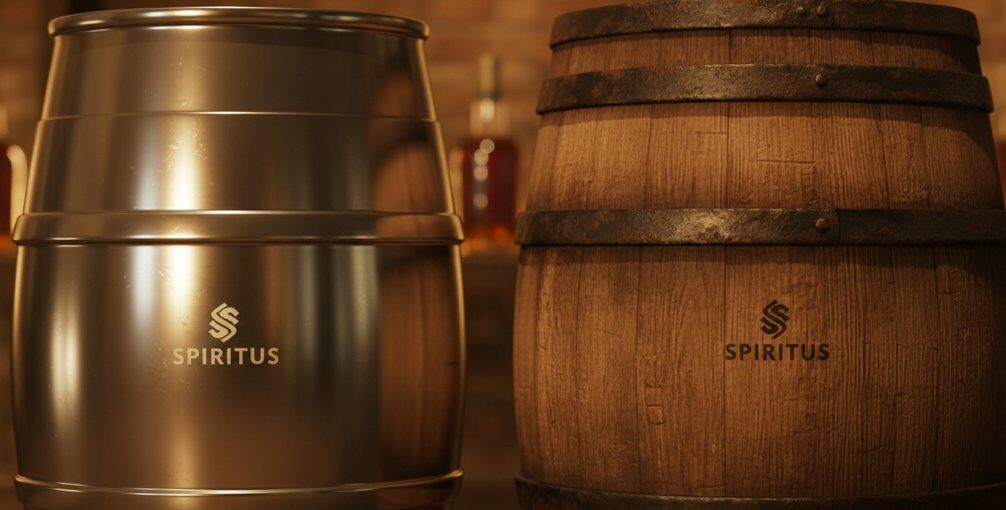
When you’re deciding between stainless steel and oak barrels for whiskey maturation, you’re really choosing how much the aging process will shape your spirit’s character. Oak barrels add layers of complexity, while stainless steel keeps the profile pure and consistent. Both have their merits, but understanding how each affects flavor can change the way you approach whiskey making. So, what exactly happens inside these barrels that makes such a difference?
Key Takeaways
- Oak barrels impart rich flavors like vanilla and caramel, enhancing whiskey complexity through chemical reactions during aging.
- Stainless steel barrels preserve whiskey’s original character by preventing oxidation and flavor alteration.
- Oak’s porous nature allows gradual oxygen exposure, smoothing harsh notes and improving maturation.
- Stainless steel offers a clean, neutral environment ideal for blending or finishing without overpowering flavors.
- Oak barrels require higher maintenance and have limited reuse, leading to variable aging results compared to durable stainless steel.
Understanding How Barrels Influence Whiskey Aging
While aging whiskey, the type of barrel you use plays a crucial role in shaping its flavor and character. You’ll find that barrels aren’t just containers; they actively interact with the spirit inside.
As whiskey ages, it seeps into the wood’s pores, extracting compounds that add complexity. The barrel’s size, previous use, and wood type all impact how the whiskey matures. You’ll notice changes in color, aroma, and taste, thanks to these interactions.
Whiskey absorbs wood compounds, with barrel size, history, and type shaping its evolving color, aroma, and flavor.
Barrels also allow controlled oxidation, softening harsh notes over time. Choosing the right barrel means balancing these factors to achieve the desired profile.
Whether you’re aiming for a bold or subtle flavor, understanding barrel influence helps you make informed decisions in the whiskey aging process.
How Oak Barrels Influence Whiskey Aging and Flavor
Oak barrels stand out among aging vessels because of how their unique properties shape whiskey’s character. When you age whiskey in oak, the wood interacts directly with the spirit, allowing it to soak up complex flavors like vanilla, caramel, and spice.
The barrel’s porous nature also lets oxygen seep in gradually, softening harsh edges and developing a richer mouthfeel. You’ll notice that the charring inside the barrel caramelizes the wood sugars, which further deepens the flavor profile.
Over time, the whiskey extracts tannins and other compounds from the oak, adding structure and complexity. This natural exchange between spirit and wood is what gives oak-aged whiskey its distinctive warmth and depth, which you simply can’t replicate with inert materials.
Flavor and Benefits of Stainless Steel Barrels for Whiskey Aging
Though stainless steel barrels don’t impart traditional wood flavors, they offer a clean and controlled environment for aging whiskey. You get a neutral vessel that preserves the spirit’s original character, allowing subtle nuances to shine through.
Stainless steel’s non-porous surface prevents oxidation and contamination, so your whiskey stays pure and consistent. Plus, these barrels are durable and easy to maintain, reducing the risk of leaks or unwanted microbial activity.
If you want to experiment with blending or finishing your whiskey, stainless steel provides a reliable base without overpowering flavors. Ultimately, using stainless steel barrels gives you more control over the aging process while maintaining the whiskey’s clarity and brightness, making them an appealing choice for innovative distillers seeking precision.
Oak vs Stainless Steel: How Barrels Affect Whiskey Aging
Choosing between oak and stainless steel barrels significantly shapes the character and aging process of your whiskey.
Oak barrels let your whiskey interact with wood, promoting complex chemical reactions that develop rich flavors, color, and aroma over time. The porous nature of oak allows subtle oxygen exchange, softening harsh notes and enhancing maturation.
In contrast, stainless steel barrels don’t impart flavor or color, preserving the spirit’s original profile. They provide a neutral environment and prevent oxidation, which means your whiskey ages without the traditional transformations wood encourages.
If you want a whiskey that evolves with deeper, nuanced characteristics, oak is your go-to. But if you prefer a cleaner, more consistent spirit that highlights the distillate’s pure essence, stainless steel offers a unique aging approach.
Your choice directly influences the whiskey’s final personality.
Pros and Cons of Oak Barrels in Whiskey Aging
When you decide to age whiskey in barrels, understanding the strengths and weaknesses of oak is key.
Oak barrels impart rich flavors like vanilla, caramel, and spice, enhancing your whiskey’s complexity. The wood’s porous nature allows gentle oxygen exposure, which smooths harsh edges and deepens character over time. Plus, oak barrels naturally filter impurities, improving your whiskey’s purity.
However, oak barrels come with downsides. They’re costly to produce and maintain, and each barrel offers limited reuse before losing its flavor contributions. You’ll also face variations between barrels, which can lead to inconsistent aging results.
Finally, oak aging takes time—often years—to achieve the desired profile, demanding patience and space.
Weighing these pros and cons helps you decide if oak barrels suit your whiskey aging goals.
Choosing the Best Barrel for Your Whiskey Style
How do you pick the ideal barrel to match your whiskey’s character? Start by considering the flavor profile you want. Oak barrels infuse rich, complex notes like vanilla, caramel, and spice, ideal if you crave depth and tradition.
If you prefer a cleaner, brighter spirit that highlights the grain itself, stainless steel offers a neutral environment without added flavors.
Think about aging time, too: oak barrels accelerate maturation by allowing subtle oxygen interaction, while stainless steel requires longer periods.
Also, factor in your whiskey style—bold bourbons often thrive in charred oak, whereas delicate rye or single malts might benefit from lighter wood or stainless steel to preserve nuance.
Ultimately, match your barrel choice to the taste journey you want your whiskey to take.